Rubbish Clearance in London
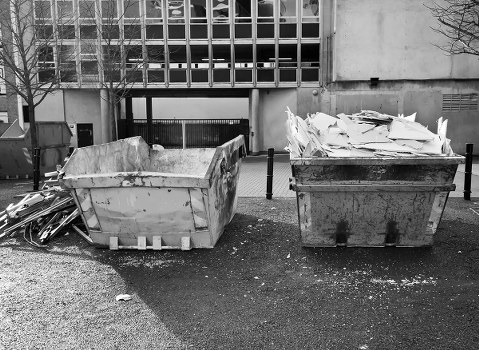
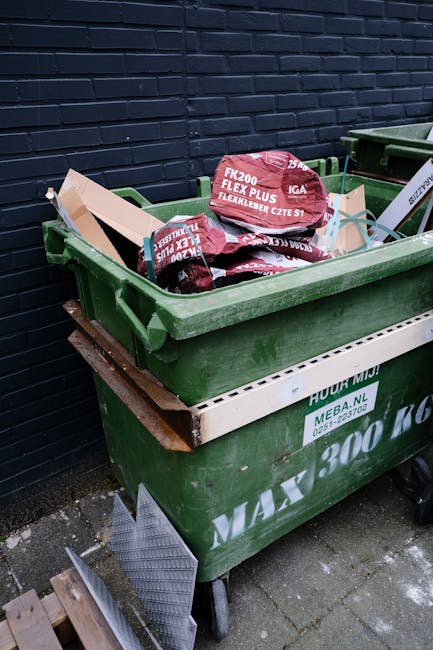
Rubbish Boy provides rubbish clearance in London for households, landlords, offices and trade customers who need unwanted items removed in a straightforward, organised way. Our service covers everyday mixed rubbish, bulky household items and many common non-hazardous waste loads, with a practical focus on loading, sorting and responsible disposal. Whether the job is a single awkward item or a fuller clear-out, the aim is to make the process clear from the start.
We handle rubbish removal and wider waste clearance work across homes and business premises, with options that can suit general clearances, furniture, garden waste and other bulky items. The right service depends on what needs moving, how much space the waste takes up and how easy it is to access. If you are comparing options, you can also look at our pricing and quotes page before you ask for a quotation.
For many customers, the most useful starting point is simply knowing that one team can deal with the lifting, collection and disposal in one visit. We keep the service practical and direct: you tell us what needs going, we confirm what is suitable, and we arrange the clearance in a way that fits the load. If you are ready to talk it through, send a clear list of items and request a quote.
Household rubbish and room-by-room clearances
Household work often involves more than one type of waste, so we keep the service flexible. A clear-out may include old furniture, broken appliances, bagged general rubbish, boxed clutter, or a mix of items from different rooms. The main question is not simply what the items are, but how they are grouped, whether they can be safely moved and whether there are any restrictions on the waste stream. That is why a careful description of the load matters.
Our house clearance and home clearance pages are useful if you need a broader property clear-out rather than a few isolated items. For smaller jobs or one-off bulky pieces, a more focused service may be enough, such as flat clearance or rubbish clearance. These pages help you match the type of work to the amount of material and the access at the property.
We also deal with specific household items that often appear on clearances. Sofas, beds, mattresses and white goods each need the right handling, especially when they are heavy, awkward or part of a mixed load. If you only need one category removed, a dedicated service can be the simplest route; if the rubbish is varied, a more general collection may be better. Either way, we can help you decide on the most suitable option before you ask for a quotation.
Bulky items, furniture and appliance disposal
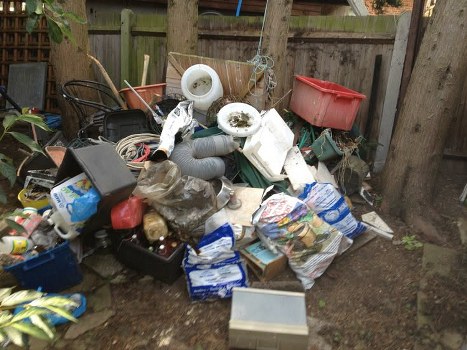
Bulky item removal is often the point where a simple tidy-up becomes a more involved clearance. Large pieces can be hard to shift through stairs, hallways or narrow doorways, and some items need dismantling before they can be removed safely. We provide furniture disposal and collection for items such as sofas, chairs, tables, wardrobes and other substantial household pieces, with the work planned around the load rather than forcing a one-size-fits-all approach.
Where a customer has a single item or a small group of matching items, the relevant pages can help narrow the service down. See sofa removal, sofa collection, furniture disposal and furniture collection for the most directly related options. For beds and mattresses, the dedicated pages are useful because those items often need separate planning from mixed furniture loads.
Appliances also need sensible handling. Fridges, freezers and other white goods can be awkward because of their size and weight, and they may sit alongside packaging or general waste from a home or office move. If the job includes appliances, mention exactly which items are involved and whether they are free-standing or built in. That detail helps us advise on the most practical collection and keeps the quotation accurate.
Garden, garage and loft waste
Some of the most common clearances come from spaces that collect items over time rather than from a single event. Garages may contain old tools, broken storage, boxes, furniture and mixed household clutter. Lofts can hold archived belongings, damaged items and accumulated rubbish that needs careful carrying down through the property. Garden clearances may include cuttings, fencing, pots, soil and other outdoor waste that should be separated from general rubbish where appropriate.
For these jobs, it helps to think in terms of the space rather than only the item type. A garage clearance can involve all sorts of mixed materials, while a loft clearance is usually shaped by access, stairs and lifting. The same is true of a garden clearance, where the weight, bulk and condition of the material can vary widely. Matching the service to the space keeps the process straightforward.
Where waste is piled in more than one area, combining the work can be more efficient than arranging separate collections. A garden shed, driveway pile and garage corner may all be handled in a single visit if the waste is described clearly in advance. Good planning matters here because it helps us understand whether the clearance is mainly green waste, mainly household rubbish, or a mixture that needs different sorting before disposal.
Business waste, offices and trade-related clearances

Commercial premises often need a clearance that is more organised than a domestic tidy-up, but still fast enough to fit around day-to-day operations. We work with offices, shops and other workplaces that need unwanted furniture, packaging, paper waste, fixtures or general rubbish removed without creating unnecessary disruption. The service can suit planned office changes, end-of-tenancy clear-outs or a one-off collection after a stock or furniture refresh.
Our office clearance page is relevant where desks, chairs, storage units and other workplace items need taking away together. For broader commercial waste, the business waste removal and bulk waste collection pages are useful starting points. If the load comes from building or renovation activity, the dedicated builders waste clearance page is the better fit because it covers the kinds of mixed debris common on site.
Trade and commercial jobs often benefit from a simple list of what is being removed, how much there is and where it is located within the premises. That is especially true when access is shared, parking is limited or items need to be carried through reception areas, corridors or service entrances. If you are arranging a workplace collection, tell us what needs to go and request a quotation that reflects the actual load rather than a guess.
Specialist item collection and disposal options
Some rubbish is best handled through a dedicated collection route because it is large, difficult to move or made up of a particular item type. That is why we make it easy to separate out sofas, mattresses, fridges, beds and other bulky items from more general rubbish. A targeted service can be especially useful when a customer wants to clear one room quickly without booking a full property clearance.
Relevant pages include mattress collection, mattress disposal, bed disposal, fridge disposal and white goods recycle. These destinations are helpful when the items are distinct enough to justify a separate plan. If the load includes several different categories, we can still combine them where it is sensible, but the quotation is usually easier to understand when each key item is identified clearly.
Some customers want the quickest route from problem item to cleared space, while others need a more careful breakdown of what can be removed and what should stay. In both cases, the important point is to describe the item honestly and completely. If a bed includes a frame, base and mattress, say so. If an appliance is integrated or unusually heavy, mention that too. Those small details make the service more accurate and help us give a better estimate.
About London

London is a large, layered city whose form has been shaped by centuries of growth, rebuilding and migration. At its core is the City of London, the historic financial district that preserves a medieval street pattern beside modern towers. Westwards, Westminster developed as the seat of government, with the Palace of Westminster, Westminster Abbey and Whitehall forming a ceremonial and political landscape recognised around the world. The River Thames remains a central geographical reference, bending through the city and linking many of its oldest bridges, wharves and riverside districts. Beyond the centre, the capital expands through a mosaic of boroughs, each with its own town centres, housing styles and high streets. Georgian terraces, Victorian suburbs, interwar estates and postwar redevelopment all sit within the same metropolitan fabric, creating a city that is visually varied as well as historically complex. Museums, theatres, galleries and music venues add to that depth, while markets, parks and public squares provide everyday gathering places. Hyde Park, Regent’s Park and Hampstead Heath are only a few of the green spaces that interrupt the dense urban grain. South of the river, areas such as Southwark, Lambeth and Greenwich combine long-established neighbourhoods with newer riverside development. The Docklands, once a working port landscape, has been transformed into a major commercial and residential quarter. This mixture of heritage, transport corridors, civic institutions and neighbourhood centres gives London a distinctive character that changes noticeably from one district to the next while remaining recognisably part of the same capital city.
When a property only contains a small amount of waste, the decision may come down to convenience and access rather than volume. Bagged rubbish, a broken chair, a mattress, a fridge or several items of furniture can all require different handling even when the overall job is modest. We keep the process straightforward by helping customers match the load to the right type of collection, rather than pushing an unnecessary full clearance. That approach can be especially useful where the waste is mixed and the customer wants to avoid overcomplicating the job. If you already know what needs removing, a short description is usually enough to start the conversation. The main thing is to be clear about the items, their condition and any access issues so the estimate reflects the real work involved. For many people, that makes it easier to compare options and decide whether a targeted item collection or a wider waste clearance is the better fit.
To help us prepare an accurate quotation, it is useful to list the main items, the number of bags or pieces, and any details about stairs, parking or shared access. Request a quotation when you are ready and we will work from the information you provide.
What affects the quotation

Quotations for rubbish clearance are usually shaped by the volume of waste, the type of items involved and the practical conditions on site. A handful of bags is very different from a room full of furniture, and a ground-floor collection is usually simpler than carrying heavy items from upper floors. If the load includes mixed material, it may also need a little more sorting before disposal, which can influence the estimate. Being specific at the outset avoids confusion later.
There are a few simple things that help make the pricing discussion easier: the kind of waste, the approximate amount, where it is located and whether anything needs dismantling. You do not need to produce a perfect inventory, but it helps to note the major pieces first. A short list is often enough to indicate whether the job is more like a small collection, a bulky item removal or a broader clearance. If needed, we can then refine the details together.
Use the following as a quick guide before sending an enquiry:
- identify the main items or waste types
- note how much space they take up
- mention stairs, lifts, parking or narrow access
- say if any items are especially heavy or awkward
- include the property type, such as home, office or garage
Collection planning and useful service choices
When customers compare services, the most helpful question is often whether the job is best treated as a general rubbish clearance or as a more specific item collection. General clearances work well for mixed loads and mixed spaces. Specific collections are better when one item dominates the job, such as a sofa, mattress, fridge or wardrobe. Choosing the right route at the outset can keep the work simpler and the quotation more precise.
Some clearances also involve a choice between location-based pages and item-based pages. For example, if the work is centered on a property rather than a single object, you might look at flat clearance or home clearance. If the job is focused on a bulky object, a page such as large item collection or bulky waste collection may be more relevant. That distinction is useful because it helps match the service to the load instead of forcing the load into the wrong category.
Simple, accurate information makes the enquiry more useful than a long explanation. A short description of the items, access and location within the property is usually enough to begin. If you want to move ahead, keep your message direct and ask for a quotation based on the actual rubbish you need removed.
Responsible disposal and practical waste handling
Rubbish clearance is not just about lifting items away; it also involves sorting them sensibly so they can be handled through the right disposal route. Different materials may need separate treatment, particularly where furniture, appliances, green waste and general rubbish are mixed together. A practical clearance therefore starts with understanding what is in the load and ends with moving it into the correct waste stream.
For customers who want to read more about how the business approaches waste handling, the recycling and sustainability page gives a useful overview, while waste disposal and waste removal are helpful broader references. If your focus is on straightforward collection rather than the category of the waste, waste collection and waste clearance may also be relevant. These pages complement the more specific item and property services already described.
The most effective enquiries are usually the ones that make the waste easy to picture. That does not mean sending a perfect inventory; it simply means giving enough detail to identify the main work. If you know there are mixed items in several rooms, say so. If the waste is all in one garage or one office, mention that too. Clear information helps the quotation match the real job and keeps the process efficient from the outset.