Rubbish Boy Health & Safety Policy
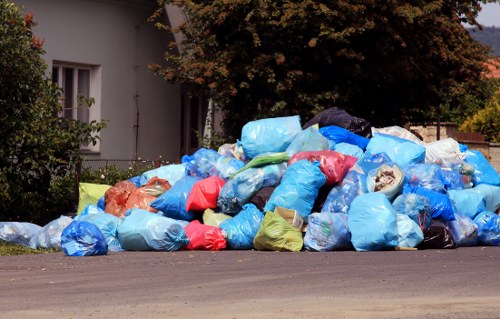 Rubbish Boy is committed to maintaining a safe and healthy working environment for all staff, contractors and members of the public who may be affected by our activities. This health and safety policy outlines the responsibilities, procedures and expectations that support safe rubbish collection, clearance and waste management operations carried out by the Rubbish Boy team. The purpose is to prevent injury, reduce risk and ensure consistent, safe practice across all sites and vehicles operated by RubbishBoy.
We recognise that safety is a shared responsibility. All employees must follow established safe systems of work, wear appropriate personal protective equipment (PPE) and take reasonable care for their own health and safety. Managers and supervisors will lead by example, ensure adequate supervision, and provide the resources necessary to implement safety controls. The policy applies to Rubbish Boy crews, subcontractors, and visitors on our sites.
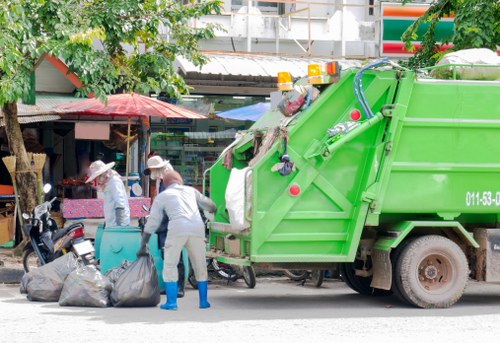 The scope of this policy covers routine rubbish collection, bulk clearance, removal of household and commercial waste, and on-site handling of materials. It excludes specialist remediation activities handled by certified contractors. The Rubbish Boy safety framework emphasises risk assessment, training, safe vehicle operation, manual handling controls and environmental protection measures. Our aim is continuous improvement through regular review and practical safety intervention.
Risk Assessment and Hazard Control
Risk assessments will be undertaken for all tasks, with identified hazards eliminated where possible or controlled through engineering, administrative and PPE measures. Common hazards encountered by rubbish removal crews include manual handling strain, slips/trips/falls, sharps and contaminated waste, vehicle movements and exposure to hazardous materials. Control measures are documented and communicated to all staff before work begins.
Training and competence are maintained through induction, task-specific instruction and periodic refresher sessions. Rubbish Boy encourages staff to report unsafe conditions immediately and to suggest practical controls. Supervisors will monitor adherence to safe methods and reinforce expectations through toolbox talks and spot checks.
![A collection of discarded household appliances and electronic waste piled together outdoors near a storage unit, including washing machines, microwave ovens, small refrigerators, and a television, all showing signs of dirt and weather exposure. The appliances are stacked and leaning against each other on a concrete surface, with some partial obstruction by a wire cage or metal fencing in the background. The backdrop features a partially open garage or storage area with metal doors and panels, consistent with an industrial environment. The scene conveys a typical waste collection or disposal area where Rubbish Boy provides rubbish removal services across the local postcode area near [TOWN], with visible textures of the appliances highlighting metal and plastic finishes, worn surfaces, and a mix of light and shadow due to natural daylight. This image illustrates the type of bulk waste or electronic waste that such waste management companies handle for safe and responsible disposal, supporting environmentally conscious rubbish clearance in the local community.](/pub/_photos/rubbish/f1491270616.jpg) Vehicle safety is critical to our operation. Drivers and loaders must ensure vehicles are roadworthy, correctly loaded and secured, and operated within approved limits. Safe loading practices, reversing protocols and clear pedestrian segregation are applied to minimise vehicle-related incidents. Fuel-handling, battery charging and maintenance tasks follow manufacturer guidance and safe working procedures.
Vehicle safety is critical to our operation. Drivers and loaders must ensure vehicles are roadworthy, correctly loaded and secured, and operated within approved limits. Safe loading practices, reversing protocols and clear pedestrian segregation are applied to minimise vehicle-related incidents. Fuel-handling, battery charging and maintenance tasks follow manufacturer guidance and safe working procedures.
Handling of potentially hazardous items follows a precautionary approach: where contamination, asbestos-type materials or unknown substances are suspected, the item is isolated and specialist advice sought. Crews are trained to recognise common indicators of hazardous waste and to refuse removal of materials they are not competent to manage. The Rubbish-Boy safety rules include steps for safe containment, isolation and escalation.
Waste segregation and environmental protection are integral to the health and safety plan. Clear labelling, designated containers and avoidance of overloading reduce the risk of spills and cross-contamination. Staff must use appropriate gloves, eye protection, high-visibility clothing and other PPE as dictated by the assessment for each task. Personal responsibility and collective vigilance keep sites safer for everyone.
Incident reporting and emergency response procedures are in place so that accidents, near misses and environmental releases are recorded and investigated promptly. Each event is reviewed to identify root causes and implement corrective actions to prevent recurrence. First aid provision, emergency contact chains and clear assembly points are maintained at active sites.
Roles, Responsibilities and Continuous Improvement
Key responsibilities are allocated as follows: Managers ensure resources and systems are provided; Supervisors implement procedures and monitor compliance; Operatives follow safe methods and report hazards. The policy uses plain language to set expectations and empower every member of the rubbish collection team to act when risks are observed.
![In the foreground, a large cylindrical metal rubbish bin with a partially open lid reveals a collection of crumpled paper and plastic waste. To the left of the bin, a black plastic rubbish bag is tied at the top, leaning slightly against the bin, while a round, metallic lid with a handle rests on the ground nearby. On the right, a white paper bag sits flat on the pavement, slightly crumpled. The background is dark, emphasizing the forms and textures of the waste items, which appear to be discarded household rubbish. The bin’s surface is shiny, reflecting light, and the plastic bag shows a matte, slightly textured finish. The scene is set outdoors, likely on a driveway or pavement, possibly in a residential area within the UK, reflecting typical rubbish disposal practices. The setup aligns with services offered by Rubbish Boy in waste collection and rubbish removal for domestic or commercial clients, particularly within the [POSTCODE] or surrounding [TOWN] area, and illustrates the type of waste management handled by the company.](/pub/_photos/rubbish/f1412679128.jpg) Monitoring is carried out through planned inspections, audits and performance reviews. Safety performance metrics, near-miss trends and training records inform management reviews. Regular communication ensures that lessons learned are converted into practical improvements, revision of task procedures and updated training materials. This cycle supports a proactive safety culture within Rubbish Boy operations.
Monitoring is carried out through planned inspections, audits and performance reviews. Safety performance metrics, near-miss trends and training records inform management reviews. Regular communication ensures that lessons learned are converted into practical improvements, revision of task procedures and updated training materials. This cycle supports a proactive safety culture within Rubbish Boy operations.
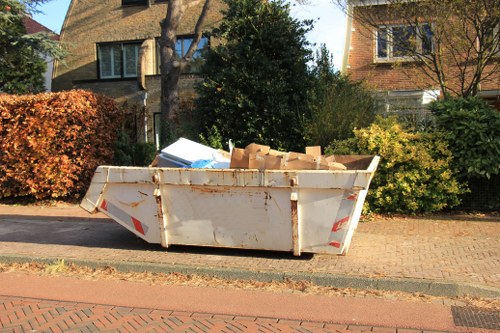 The policy will be reviewed periodically and revised as needed to reflect operational changes, new equipment, or lessons from incidents. By maintaining clear systems for risk assessment, training, reporting and continuous review, Rubbish Boy commits to reducing harm and protecting people and the environment. This document is supported by standard operating procedures, risk assessments and training resources that underpin safe rubbish removal and waste handling across all our activities.