Step by step guide to clearing a cluttered garage with rubbish removal
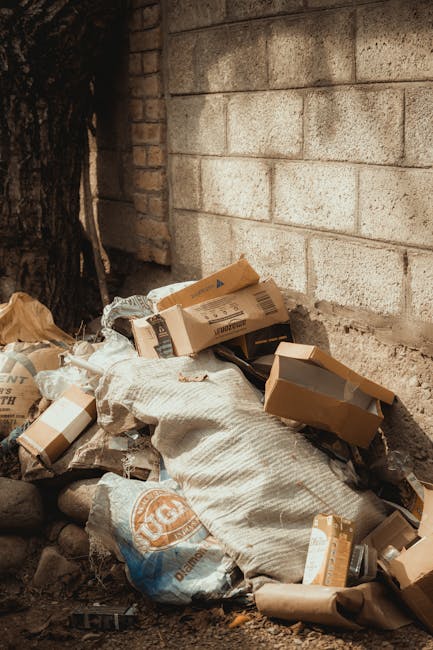
If your garage has quietly turned into the place where broken things go to hide, you are not alone. One box becomes five, the old treadmill becomes a coat rack somehow, and before long you can't park the car in there or find the hedge trimmer without a small expedition. This step by step guide to clearing a cluttered garage with rubbish removal is designed to help you tackle the mess in a calm, practical way - without making the whole weekend feel like a punishment.
The good news? A garage clearance does not have to be a huge, stressful project. With a simple plan, the right bins, a few basic tools, and a sensible rubbish removal approach, you can turn a crowded space into something useful again. Let's face it, a garage should be a space that works for you, not a graveyard for cracked plant pots and half-finished DIY jobs.
Below, you'll find a clear process, expert tips, common mistakes to avoid, a practical checklist, and a real-world example of how this works in practice. If you want a fast overview of the whole job, start here and work through it step by step. It's a lot easier than it looks on a messy Saturday morning.
- Why clearing a cluttered garage matters
- How the garage rubbish removal process works
- Key benefits and practical advantages
- Who this is for and when it makes sense
- Step-by-step guidance
- Expert tips for better results
- Common mistakes to avoid
- Tools, resources and recommendations
- Law, compliance, standards, or best practice
- Options and comparison table
- Case study or real-world example
- Practical checklist
- Conclusion
- Frequently asked questions
Why Step by step guide to clearing a cluttered garage with rubbish removal Matters
A cluttered garage is more than an inconvenience. In many homes, it becomes a pressure point. You lose storage, waste time looking for items, and create a space that feels unfinished every time you walk past it. If the garage is full of random waste, furniture, broken tools, old paint tins, packaging, and general junk, the mess can also become a safety issue. Things fall over. Dust gathers. Damp sneaks in. And if you ever need to get to a fuse box, bike, or boiler area, you may end up moving piles just to get through.
That's why garage clearance and rubbish removal work so well together. The clearance side gives you structure; the removal side gets the waste out quickly. You are not simply shuffling clutter from one corner to another. You are making decisions, clearing space, and removing what no longer belongs there.
In our experience, the hardest part is usually the start. Once the first few bags go out, the job suddenly feels possible. The air changes a bit too. Less stale, less dusty, more like a room again. A garage can come back to life faster than people expect, especially when there's a proper disposal plan from the beginning.
How Step by step guide to clearing a cluttered garage with rubbish removal Works
The process is straightforward, but it works best when you break it into stages. A good garage clearance usually follows the same pattern: sort, separate, remove, and finish. The sorting part is where decisions happen. The removal part is where the space starts to breathe again.
At a practical level, rubbish removal means identifying what can be reused, recycled, donated, sold, or disposed of as waste. Some items are simple household rubbish. Others are bulky, awkward, or potentially hazardous. A mattress, fridge, rusted garden table, old carpet roll, or bag of mixed broken bits may all need different handling. That's normal. It just means the garage needs a plan, not guesswork.
If you are dealing with heavy items or a lot of waste, a professional service such as garage clearance or broader rubbish removal can save hours of lifting, loading, and trips to the tip. For whole-property jobs, some people also compare home clearance or waste clearance options, especially when the garage is only one part of a bigger clear-out.
The key idea is simple: you do not need to solve every item at once. You just need a system that keeps the keepers, separates the waste, and moves the junk out without the job spiralling. A tidy garage tends to follow a tidy process. Funny how that works.
Key Benefits and Practical Advantages
Clearing a cluttered garage is one of those jobs that pays you back in a lot of small ways. Not dramatic, maybe, but very real.
- More usable space: You can park inside again, store seasonal items properly, or set up a workbench without squeezing past piles.
- Less stress: A clear space reduces the background irritation of seeing a mess every day.
- Better safety: Fewer trip hazards, fewer sharp edges, and less chance of unstable stacks falling.
- Faster access: You can actually find what you own. Which, to be fair, is half the battle.
- Improved cleanliness: Dust, mould risk, and pest hiding spots are easier to control once clutter is gone.
- Better resale or rental appeal: A useful garage can be a genuine selling point if you are preparing a property.
There is also a mental benefit people underestimate. A garage full of clutter often becomes one of those "I'll deal with it later" spaces. But every time you pass it, it quietly adds to the sense that jobs are unfinished. Clearing it makes the house feel more together, even if no one else sees the difference immediately. You will notice it the first time you open the door.
Who This Is For and When It Makes Sense
This approach suits a lot of different situations. If you are a homeowner who has used the garage as overflow storage for years, it's for you. If you're moving house and need to show the full space properly, it's for you. If a family member has left items behind, if you're downsizing, if the garage has become part workshop and part dumping ground, the same process still applies.
It also makes sense when you have bulky items that are hard to move alone. Old furniture, white goods, worn-out exercise equipment, and builders' leftovers can take over a garage very quickly. In those cases, a service that handles bulky waste collection or large item collection can be more efficient than trying to cram everything into a car and make multiple trips.
If you are dealing with just a few bags of light rubbish, you might manage it yourself. But if there's a mix of heavy, dirty, or awkward waste, professional help becomes less about convenience and more about making the task finishable. Truth be told, that's often the difference between a job that gets done and a job that stays half-done for another six months.
Step-by-Step Guidance
1. Empty the easy-access items first
Start with the things you can remove quickly: loose bags, boxes, small tools, sports gear, and anything obviously rubbish. This creates breathing room and gives you a clearer view of the floor. It also helps stop the "I can't even start" feeling, which is real enough.
Do not begin by pulling out everything at random. That usually makes the garage look worse before it looks better, and yes, that can knock your motivation sideways. Work from the front and around the edges so you can create a safe path.
2. Sort into clear categories
Use four simple groups:
- Keep: Items you use regularly or genuinely need
- Donate or give away: Usable items someone else may want
- Recycle: Materials that can be separated properly
- Rubbish: Broken, unusable, dirty, or unsafe items
This is where people get stuck, especially with "maybe" items. If you haven't used something in years and it has no real purpose, the garage is probably not its long-term home. Ask yourself a simple question: would I pay to move this item to a new house? If the answer is no, that tells you a lot.
3. Identify bulky waste and awkward items
Once the obvious clutter is gone, assess what remains. Old wardrobes, shelving, broken appliances, worn sofas, mattresses, and garden waste can all need separate handling. If the garage contains more than a few large pieces, it may be worth using services like furniture clearance, furniture disposal, or specialist mattress disposal.
Try to keep similar items together. It makes loading faster and helps the removal team see exactly what needs to go. A neat pile of waste is easier to handle than a chaotic spread of half-moved objects. Simple, but effective.
4. Separate hazardous or restricted items
Garages often contain things people forget about: leftover paint, solvent containers, oils, batteries, car fluids, gas canisters, or old electrical equipment. These items should not be mixed in with general rubbish. Some require special handling, and you should follow local guidance or specialist advice where needed. If in doubt, keep them aside and get clarity before disposal.
That caution matters. It's one of those unglamorous but necessary bits of the job. No one enjoys dealing with a half-open tin of something smelly from 2017, but here we are.
5. Decide what the removal method will be
At this stage, choose the clean-up route that best fits the volume and type of waste. If you have light waste in manageable bags, you may be able to transport it yourself. If you have a larger load, mixed debris, or heavy lifting, a removal service usually saves time and hassle.
| Method | Best for | Pros | Drawbacks |
|---|---|---|---|
| DIY tip run | Small volumes of general rubbish | Useful if you already have transport; can be low-cost | Time-consuming; loading and unloading are tiring |
| Skip hire | Longer projects or staged clearances | Good if you are sorting over several days | Needs space; may involve permits or restrictions |
| Rubbish removal service | Bulky or mixed waste, quick turnaround | Fast, labour included, less lifting for you | May cost more than doing it yourself |
For many garage jobs, a collection service is the sweet spot because it handles the lifting as well as the disposal. If you are comparing costs, checking pricing and quotes is usually a sensible next step.
6. Clear the waste in stages
Once you have your piles, remove the rubbish first and keep the "keep" pile separate. This stops things getting mixed back together, which happens more often than people admit. Then remove bulky pieces, then recyclable items, and finally any remaining loose debris.
If the garage floor is hidden under dust, scraps, and cobwebs, sweep it once the larger waste is out. A quick clean at this point makes the space feel complete. It also helps you spot anything you may have missed behind shelves or under the workbench.
7. Reset the garage so clutter does not return
After the rubbish removal is done, don't just walk away and hope for the best. Put up shelves, group similar items together, label boxes, and give the garage a layout. You do not need a showroom. You just need a system that makes future clutter obvious.
A good rule is to keep a clear floor wherever possible. If everything goes onto the floor, the mess comes back. Slowly at first, then all at once. The floor is precious real estate in a garage, odd as that sounds.
Expert Tips for Better Results
Here are the small things that make a garage clearance much smoother in real life.
- Work in daylight if you can: Natural light makes it much easier to judge what's worth keeping.
- Use one decision point: Don't keep moving the same item between piles. Decide once.
- Keep cleaning supplies nearby: A broom, dustpan, wipes, and gloves save time.
- Photograph anything valuable: If you plan to sell or donate it later, a quick photo helps.
- Measure awkward items: If it may need dismantling, check dimensions before you start.
- Set a time limit: A three-hour garage session often works better than an endless all-day slog.
One practical tip we see people appreciate: label a "maybe later" box, but keep it small. If it fills up, you're probably avoiding a decision rather than making one. Happens to the best of us.
Another one? Put a bin bag or two outside the garage before you begin. It sounds minor, but having rubbish bags ready removes friction when you hit that first awkward pile of mixed junk.
Common Mistakes to Avoid
Garage clearances usually go sideways for the same reasons. Once you know them, they're easy enough to dodge.
- Starting without sorting: If you skip the decision stage, you just move clutter around.
- Keeping too much "just in case" stuff: That's how garages get full again.
- Ignoring hidden waste: Things behind shelves and under tarps are often the worst offenders.
- Mixing rubbish with reusable items: Once bags are blended, you waste time separating them later.
- Underestimating heavy items: Old appliances and furniture can be awkward and unsafe to lift alone.
- Forgetting about disposal rules: Hazardous waste needs more care than general rubbish.
The biggest mistake, honestly, is assuming the whole job should feel easy from the start. It rarely does. But it becomes easier once the first stage is done and you can see the shape of the space coming back.
Tools, Resources and Recommendations
You do not need a load of specialist equipment. A few practical basics are usually enough for a garage clear-out.
- Heavy-duty bin bags
- Work gloves
- Dust masks if the garage is dusty
- Boxes or crates for items to keep
- Labels and marker pen
- Broom, dustpan, and mop if needed
- Basic screwdriver or drill for dismantling shelving
- Straps or a trolley for moving larger items
If you are dealing with old furniture, white goods, or mixed bulky rubbish, services like bulk waste collection, white goods recycle, or furniture collection can help keep the process tidy. For more general waste handling, waste collection and waste disposal are useful pages to compare against your needs.
If you're planning the job around a move or a bigger home reset, it may also be worth looking at house clearance or furniture clearance so the garage doesn't become the last chaotic bit of the property. No one wants to finish a move and then discover three broken chairs hiding beside the mower.
Law, Compliance, Standards, or Best Practice
For a garage clearance, the main compliance concern is how waste is handled, stored, and removed. In the UK, it is sensible to make sure waste goes to a legitimate disposal route and that any contractor you use follows proper waste management practice. If you are disposing of electrical items, batteries, fridges, fluids, paint, or other potentially hazardous materials, treat them separately and follow the right route for those materials.
Best practice is straightforward: do not dump waste illegally, do not burn rubbish, and do not mix hazardous items into general waste bags. If you hire a service, choose one that is transparent about what it collects, how it disposes of waste, and whether it prioritises recycling where possible. A provider's recycling and sustainability approach can tell you a lot about how carefully they work.
Health and safety matters too. Sharp edges, broken glass, mouldy items, and heavy furniture all create real risks. If something looks unsafe to lift or handle alone, don't force it. In practical terms, the best standard is the one that keeps you and your property safe. That sounds obvious, but when people are in the middle of a cluttered garage, obvious things sometimes get skipped.
If you want peace of mind around handling and site safety, it may also be worth reviewing a company's health and safety policy and insurance and safety information before booking. A little checking upfront can prevent a lot of mess later.
Options, Methods, or Comparison Table
Choosing the right garage clearance method depends on how much you have, how heavy it is, and how quickly you want the space back. Here's a simple comparison that may help.
| Option | Best fit | Speed | Effort for you | Typical use case |
|---|---|---|---|---|
| Self-clear with car or van | Small loads and light rubbish | Slow to moderate | High | A few bags, small boxes, light scrap |
| Skip hire | Longer projects with gradual clearing | Moderate | Moderate | Multi-day declutter or renovation leftovers |
| Professional rubbish removal | Bulky, mixed, or urgent clear-outs | Fast | Low | Full garage clearance, heavy items, time-sensitive jobs |
If your garage contains more than just general rubbish - say a mix of furniture, broken appliances, and builders' leftovers - a professional service often feels the least stressful. For builders' leftovers specifically, some people compare it with builders waste clearance. It's not always the exact same job, but the disposal mindset is similar.
As a rule of thumb: the messier the mix, the more useful a managed removal service becomes. That's the honest version.
Case Study or Real-World Example
A fairly typical garage clearance starts like this: a family decides the car should fit back inside before winter. The garage contains old shelving, a cracked bike frame, boxes of decorations, a broken freezer, three half-empty paint tins, camping gear, and a stack of items "to deal with later." You know the sort of thing. One of those later piles has somehow grown legs.
They begin by moving the obvious rubbish into bags, then sort the rest into keep, donate, recycle, and remove. The freezer and other bulky items go into a separate pile. The paint tins are set aside rather than mixed with general waste. By the end of the first session, the floor is visible again. That changes the whole feel of the project. Suddenly the garage doesn't feel like a storage cave; it feels like a room.
On removal day, the bulky waste is loaded first, then the bags, then the smaller recyclables. The job that felt overwhelming on the front end is actually completed in a short, focused window once the sorting is done. The owners then add shelves and label storage boxes so the space does not drift back into clutter. A few months later, they're still parking in it. Nice result, really.
The useful lesson? The transformation rarely comes from brute force. It comes from sequencing. If you sort well, the rest becomes easier.
Practical Checklist
Use this checklist before and during the garage clearance:
- Set aside enough time to complete the job properly
- Bring gloves, bin bags, labels, and cleaning supplies
- Open the garage door for light and ventilation
- Remove easy-access rubbish first
- Sort items into keep, donate, recycle, and rubbish
- Separate heavy, bulky, or awkward items
- Isolate hazardous or uncertain items safely
- Decide whether you need DIY disposal or a removal service
- Keep the floor clear as you work
- Sweep and reset the space after the removal
- Put storage systems in place to stop clutter returning
Expert summary: The fastest way to clear a cluttered garage is not to rush. It is to sort decisively, remove waste in the right order, and finish with a simple storage system so the mess does not creep back in.
If you only remember one thing, remember this: a garage clearance is a decision-making job first and a lifting job second. That's the bit that changes everything.
Get a free quote today and see how much you can save.
Conclusion
A cluttered garage can feel daunting, but it becomes manageable the moment you treat it like a sequence rather than a mountain. Start with what is easy, separate what stays from what goes, and use rubbish removal to get the waste out quickly and properly. That combination gives you the best chance of finishing the job without the whole thing dragging on for weeks.
Whether you are clearing space for parking, preparing to move, reclaiming a workshop corner, or simply tired of opening the door to a wall of stuff, the same approach applies: sort well, remove smartly, and reset the room so it works for real life. Small wins count here. One shelf, one bag, one bulky item at a time. It adds up faster than you think.
And when that garage door closes on a clear, usable space, it feels quietly brilliant. Not flashy. Just deeply satisfying.
Frequently Asked Questions
How long does it take to clear a cluttered garage?
It depends on the amount of clutter, the size of the garage, and whether you are doing it alone or with help. A small, fairly tidy garage might take a few hours. A packed garage with bulky waste can take a full day or more. The sorting stage usually takes the most time, especially if you have to make decisions about older stored items.
Should I sort everything before booking rubbish removal?
Yes, ideally. Sorting first makes removal faster and often cheaper because the waste can be loaded more efficiently. It also helps you separate items that can be reused, recycled, or need special handling. If time is tight, do a rough sort at minimum so the removal team knows what they are dealing with.
What items from a garage are hardest to dispose of?
Bulky furniture, mattresses, fridges, old electronics, paint tins, and mixed construction debris are usually the trickiest. They often need different handling from normal household rubbish. Heavy or awkward items can also be physically difficult to move, which is where professional collection can be a real relief.
Can I put everything in a general waste bag?
No, not everything. General waste bags are fine for normal rubbish, but hazardous items, electrical goods, liquids, and bulky materials may need different treatment. It is worth separating those items at the start so they do not get mixed into standard waste by mistake.
Is a skip better than a rubbish removal service for garage clearance?
It depends on the job. A skip can work well if you are clearing gradually over several days and have space to place it. A rubbish removal service is often better if you want speed, labour included, and less manual handling. For one-off garage clearances, many people prefer the convenience of collection.
How do I decide what to keep in the garage?
Keep items you use regularly, seasonally, or as part of a clear purpose. If something has sat unused for years and has no meaningful value, it is probably clutter. A good test is whether you would miss it if it disappeared. If the answer is no, it may not deserve space in the garage.
What should I do with old paint tins and chemicals?
Keep them separate from general waste and follow the proper disposal route for those materials. Do not tip liquids into bags or drains, and do not mix them with ordinary rubbish. If you are unsure, set them aside and get specialist advice before moving them on.
How can I stop the garage getting cluttered again?
Use simple storage systems, label boxes, and keep the floor as clear as possible. A quick monthly reset helps too. The key is to give every item a home. If something doesn't have a home, it tends to become garage drift, which is how the mess starts all over again.
Do I need help moving heavy items from the garage?
If the item is bulky, unstable, sharp, or simply too heavy to lift safely, yes, get help. Back strain and dropped objects are not worth it. It's better to ask for assistance or book a service than try to prove a point to a wardrobe with attitude.
What is the most efficient order for garage clearance?
Start with the easy-access rubbish, then sort the rest into keep, donate, recycle, and remove. After that, deal with bulky items, then clean the space, then reorganise storage. That order keeps the work moving and stops you from constantly rehandling the same items.
Should I clean the garage after clearing it?
Yes, definitely. Once the clutter is out, sweep the floor, clear dust and cobwebs, and check the corners and shelves. It makes the space feel finished and helps you spot damp, pests, or anything else that needs attention. A clean garage is much easier to maintain.
What if I only need part of the garage cleared?
That's absolutely fine. You do not have to clear everything in one go. Many people start with one section, one wall, or one category of items. A partial clear-out can still transform how the garage works. Small progress is still progress, and sometimes that is exactly what gets momentum going.